News

Cooking During COVID-19?


Feed your family with our top 5 foods for healthy teeth!

We’re all spending much more time at home and cooking during isolation. But don’t forget to think about your family’s teeth when making healthy food choices. These are our top foods for strong teeth.

  1. Cheese, plain milk or sugar-free yoghurt – These dairy foods help protect your tooth enamel by providing the calcium needed to remineralise teeth. Always choose low sugar options.
  2. Chicken and meat – Chicken and meat contain phosphorus which is an important mineral that helps protect tooth enamel, in combination with calcium.
  3. Salmon – Salmon is a great source of vitamin D. Vitamin D is important as it allows your body to absorb and use calcium, in turn protecting tooth enamel.
  4. Crunchy vegetables – Vegetables that contain lots of water and require lots of chewing such as carrots, raw broccoli, raw cauliflower and celery are great for teeth. All of that chewing breaks down plaque and helps freshen your breath.
  5. Crunchy fruits – Fruits with high water content and crunchy texture are great for stimulating saliva and potentially help remove plaque. Best examples are;  Apples, pears and cucumbers.

Did you know?

Saliva contains enzymes that buffer the acids present in food and clean bits of food out of the teeth.

Water helps wash away food debris and maintain saliva levels. Saliva helps against tooth decay because it contains proteins and minerals that counteract enamel eating acids.

Recipes At Home


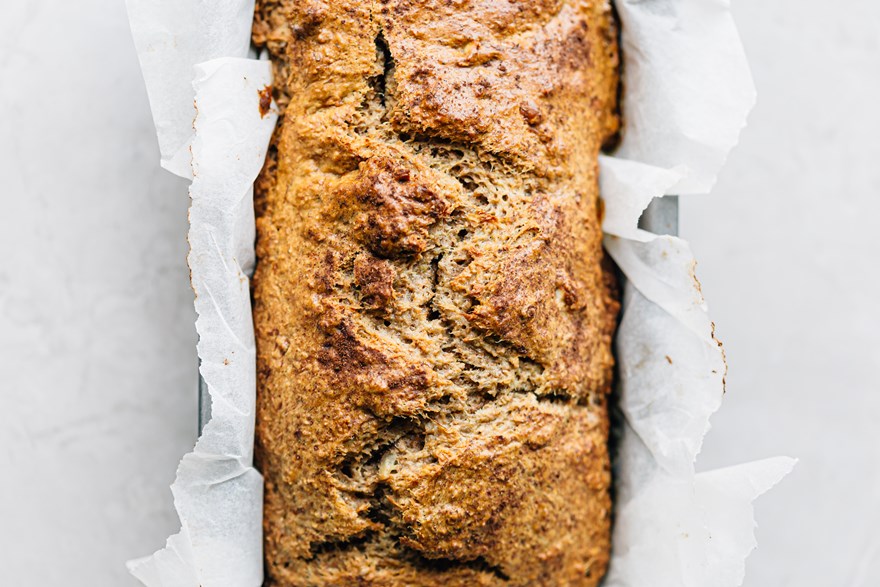
The Easiest (and Tastiest) Banana Bread!

Banana bread has been popular in Australian households for decades but all the extra time at home has made this favourite the internet’s most searched recipe during this period.

Ingredients

Dry
1.5 x cups self raising Flour (sifted)
1 x cup Coconut
1 x cup Brown Sugar* (firmly packed)
1 x tsp Bicarb

Wet
1 x 270ml Tin Coconut Cream (small tin)
2 x Eggs (lightly whisked)
2 or 3 x bananas (mashed)
1 x tsp Vanilla

Method

  1. Preheat oven to 170 degrees Celsius
  2. Mix all dry ingredients together in a bowl and lightly beat
  3. Mix the wet ingredients in another bowl and lightly beat
  4. Add the dry and wet ingredients together and mix
  5. Pour into a lined loaf tin and place in the over for approximately 1 hour 10 minutes (you may need to watch it as all ovens can vary)

For something a little bit different you can add in a few extras depending on what you have left in the fridge or pantry. For example, blueberries, raspberries, pear etc., even white chocolate bits. If you do add in any extras, you’ll only need to use two bananas depending on the banana size.

Happy baking!


* Please note that as this recipe does contain sugar, we recommend that in line with keeping your teeth and gums healthy, to brush your teeth after eating this delicious banana bread. If it’s not possible to brush your teeth immediately after eating,  rinsing your mouth with water will help until you can make it to your next brushing.

What To Expect During An Emergency Dental Appointment

Sometimes dental emergencies can’t wait. Feeling dental pain and realising a visit to the dentist is necessary, may be first time you have experienced an emergency dental appointment. This can be a stressful experience for all involved. But knowing what to expect at your visit can alleviate some worry.

We are open and available for emergency dental treatment for you and your family. If you are experiencing dental pain and need an appointment, please call your local clinic or book on our online forms.

nib Dental remains committed to caring for the health and well-being of our patients in our local communities. We have had to make some changes as a result of the impact of COVID-19. On advice from the Australian Health Protection Principal Committee (AHPPC), we are deferring non-essential dental treatment at this time. But nib Dental remains available for emergency care.

What is nib Dental doing to ensure patients and staff are safe during Covid-19?
We have introduced additional measures at this time. Patients are being asked to report and not attend nib Dental if they have any of the following symptoms;

  • Fever
  • Cough
  • Sore throat
  • Shortness of breath

We have implemented additional cleaning and hygiene protocols:

  • Frequently touched surfaces including our waiting areas, reception desk and door handles are being thoroughly disinfected multiple times a day
  • We have removed any toys, magazines and other unnecessary items from our waiting rooms
  • Social distancing within our waiting and reception areas has been introduced and hand sanitiser is available to all patients upon arrival

When you visit nib Dental, you can have peace of mind knowing that significant health precautions are being taken to ensure your safety.

I am in pain, is this a dental emergency?

If you are experiencing dental pain, or any structural damage to your teeth, you should see your dentist sooner rather than later. Examples of issues that may require an emergency dental appointment include:

  • Pain in your teeth or gums
  • Tooth infections or abscesses
  • A chipped or broken tooth
  • A tooth being knocked out
  • Denture repairs
  • Lost crowns or fillings
  • Sports injuries

While you organise your appointment with us you can follow some basic care for your dental emergency.

What Should I Do When I Need To Make An Emergency Appointment?

Firstly, contact your local nib Dental Care Centre. During this call you will be asked a series of questions to determine what type of appointment suits your needs. These questions could include how severe your pain, illness, or injuries are. Once you have answered these screening questions it will be determined if you require an urgent same day emergency dental appointment or if we are able to schedule your emergency dental treatment for a later date.

What Happens When I Arrive At The Emergency Dental Appointment?

When you arrive at your emergency appointment you will need with speak to reception who will ask the same screening questions that you were asked previously over the phone. Our staff ask these screening questions a second time to assist determining if there have been any significant changes to your circumstances.

What Should I Expect During An Emergency Dental Appointment?

The primary aim of an emergency dental appointment is to reduce or remove any discomfort you may be experiencing. During the appointment it is our priority to find the cause of pain, rather than focusing on routine dental procedures so you may find that subsequent appointment may be scheduled to follow up on your emergency procedure as well as further additional routine procedures.

What Can I Do To Prevent Dental Emergencies?

Lowering your risk of requiring emergency dental work doesn’t guarantee that it won’t happen to you. By their very nature dental emergencies are unpredictable and can happen at any time. However, to mitigate the risk, here are some basic steps to keep your teeth in top shape:

  • Avoid using your teeth as tools to open packages, lids, sticky tape etc
  • Wear a mouthguard where there’s a risk of dental trauma
  • Minimise chewing hard foods such as lollies, ice, popcorn kernels etc
  • Cut back on sugary foods and drinks to avoid cavities

The cost of your emergency dental appointment will vary depending upon your individual dental needs. Your dentist will discuss the expected costs with you at the time of your appointment.

If you or a family member are in dental pain or in need of an emergency dentist, contact your local nib Dental Care Centre for an urgent care appointment.

Any surgical or invasive procedure carries risk. Before proceeding, you should seek a second opinion from an appropriately qualified health practitioner.


nib dental

Mouthguards- A good investment for preventing dental injuries


Australia is a sports loving nation with both children and adults participating in a variety of sports each year.  Sport has so many health benefits especially for the physical and social development of children. With nearly 60%[1] of children being involved in regular physical activity at least once a week, it’s important for parents to have an understanding of how to avoid any dental injuries during sport with the best protective equipment. It can be very distressing if you are the parent of a child involved in a sporting incident that results in emergency medical or dental treatment.

Dental injuries resulting from sporting activities can be painful, expensive to treat or may require an ongoing dental treatment plan. Injuries can range from split lips, cracked or chipped teeth to more extensive injuries such as knocked out teeth and broken jaws.

Only a third of children aged 5-17 years wear a mouthguard([2]) while playing organised sports. A mouthguard will save teeth, protect jaws and is certainly the best investment for peace of mind.

What is a mouthguard?

A mouthguard is a protective, flexible shield worn in your mouth to prevent dental injuries during contact or collision sports and other activities that may cause impact to your face and mouth areas. The thickness of the mouthguard varies and is determined by the type of sport played and the level of physical contact that is expected.

What kind of mouthguards are available?

There are three kinds of mouthguards available to choose from;

Customised mouthguards are custom made to fit your teeth and mouth snugly They are made by your dentist who takes an impression of your teeth, to create a customized mould from which the mouth guard is made. As the mouth guard is customised to you, it’s thickness will be matched to the sport being played, whilst the colours can be chosen to match your team colours. Custom fitting allows your dentist to accurately assess your mouth and provide you with the most comfortable and best fitting mouthguard that will not fall out during impact. A customized mouthguard is the best option to prevent expensive dental injuries as a result of not wearing or wearing a poorly fitting mouthguard.([3])

Stock mouthguards are available for purchase from a sports store or chemist. They are a ‘one size fits all’ device and so does not snugly fit to the shape of your mouth, may be loose or uncomfortable to wear during sports and has the risk of falling out during an impact.

Boil and Bite mouthguards are also available over the counter at a sports store or chemist. These are ‘self-fitted’ by heating the mouthguard in hot water to soften and then biting into the mouthguard so it takes the shape of the mouth and teeth. They fit a little better than the stock mouthguards but are not a tight fit. They also have the same disadvantages as the stock mouthguards.

Caring for your mouthguard

It is important to look after your mouthguard keeping it clean from use to use. After using your mouthguard, rinse it with soap and warm water and allow to air-dry. Occasionally use a denture cleaning solution or Miltons solution to disinfect it and store in a container with good ventilation to prevent bacteria growth.

What else can a mouthguard assist with?

In addition to protection from sports injuries, mouthguards can also assist with teeth grinding and snoring. In consultation with a medical practioner or dentist, a diagnosis of teeth grinding or sleep apnea could result in a having to wear a special type of mouthguard to assist with the treatment of this diagnosis.

Book in today for a customised mouthguard fitting

[1] AusPlay Data – https://www.clearinghouseforsport.gov.au/knowledge_base/sport_participation/community_participation/sport_participation_in_australia

[2] The Importance of a mouthguard when playing sport- https://orthodonticsaustralia.org.au/importance-mouthguard-playing-sport/

[3] The Importance of a mouthguard when playing sport- https://www.ada.org.au/Your-Dental-Health/Teens-12-17/Mouthguards

Dental Emergencies During The Holidays – What To Do?

Christmas closure of businesses over the holiday period can be worrying if you have a dental emergency….so what are your options?

As we head into the holiday season, unexpected dental emergencies can be a real pain so it’s important to know how to deal with dental drama when an emergency strikes.

We all like to indulge in a little bit of Christmas fare over the festive season, but if biting into a mince pie or pork crackling is causing you pain, you may need to see your local dentist as soon as possible.

The best form of care is to book an appointment with your local dentist however, here are some tips how to manage your emergency until you can reach assistance.

Toothache

1. Rinse the mouth with warm water and apply a cold compress to the outside of the mouth if swelling is present.
2. Seek pain relief recommendations from your chemist with over-the-counter pain medication.
3. Avoid putting any medications or remedies directly on or against the tooth and gums as this can cause ulcers and burns.
4. Avoid eating food and drinks that are extremely hot or cold, including sugary or acidic food and drinks that might worsen the toothache.

Knocked out tooth

If an adult tooth has been knocked out completely, rinse the tooth with milk to remove any dirt or debris and try and replant gently in the socket. If this doesn’t work, place the tooth in milk to keep it moist. Milk keeps the tooth from drying out and has the sugars needed to support the cells of your tooth. The milk method is only suitable if the tooth still has the root on it. Seek dental assistance as soon as possible as time is critical when saving a tooth.

Lost filling or crown

If a tooth with a filling or crown cracks, breaks or has tooth decay forming under it, the filling or crown can dislodge or fall out completely. The exposed tooth underneath this lost restoration is now open to the bacteria in the mouth along with any food and drink you consume. This can cause the tooth to become extremely sensitive to hot and cold food and drinks. It is essential to book in with your dentist as soon as possible to replace the lost filling or crown to avoid causing irreversible damage to the delicate nerve in the tooth.

Chipped or cracked tooth

1. Clean the area by rinsing the mouth or bushing gently with a soft toothbrush and toothpaste.
2. If swelling occurs use a cold compress to the affected area.
3. Keep to a soft diet avoiding including sugary and acidic food and drinks.
4. Book in to see your nib Dental Care dentist as soon as possible.

If you need urgent assistance and your local nib Dental Care dentist isn’t available, head to your nearest hospital for emergency treatment.

So how should I try and avoid emergency dental procedures over the holiday period?

  1. Wear a mouthguard when playing sports.
  2. Cut back on sugar to avoid cavities.
  3. Don’t use your teeth to open lids or packaging, bags, sticky tape etc.
  4. Don’t forget your daily dental regime to keep your teeth strong and healthy.

Christmas closure of businesses over the holiday period can be worrying if you have a dental emergency….so what are your options?

As we head into the holiday season, unexpected dental emergencies can be a real pain so it’s important to know how to deal with dental drama when an emergency strikes.

We all like to indulge in a little bit of Christmas fare over the festive season, but if biting into a mince pie or pork crackling is causing you pain, you may need to see your local dentist as soon as possible.

The best form of care is to book an appointment with your local dentist however, here are some tips how to manage your emergency until you can reach assistance.

Toothache

1. Rinse the mouth with warm water and apply a cold compress to the outside of the mouth if swelling is present.
2. Seek pain relief recommendations from your chemist with over-the-counter pain medication.
3. Avoid putting any medications or remedies directly on or against the tooth and gums as this can cause ulcers and burns.
4. Avoid eating food and drinks that are extremely hot or cold, including sugary or acidic food and drinks that might worsen the toothache.

Knocked out tooth

If an adult tooth has been knocked out completely, rinse the tooth with milk to remove any dirt or debris and try and replant gently in the socket. If this doesn’t work, place the tooth in milk to keep it moist. Milk keeps the tooth from drying out and has the sugars needed to support the cells of your tooth. The milk method is only suitable if the tooth still has the root on it. Seek dental assistance as soon as possible as time is critical when saving a tooth.

Lost filling or crown

If a tooth with a filling or crown cracks, breaks or has tooth decay forming under it, the filling or crown can dislodge or fall out completely. The exposed tooth underneath this lost restoration is now open to the bacteria in the mouth along with any food and drink you consume. This can cause the tooth to become extremely sensitive to hot and cold food and drinks. It is essential to book in with your dentist as soon as possible to replace the lost filling or crown to avoid causing irreversible damage to the delicate nerve in the tooth.

Chipped or cracked tooth

1. Clean the area by rinsing the mouth or bushing gently with a soft toothbrush and toothpaste.
2. If swelling occurs use a cold compress to the affected area.
3. Keep to a soft diet avoiding including sugary and acidic food and drinks.
4. Book in to see your nib Dental Care dentist as soon as possible.

If you need urgent assistance and your local nib Dental Care dentist isn’t available, head to your nearest hospital for emergency treatment.

So how should I try and avoid emergency dental procedures over the holiday period?

  1. Wear a mouthguard when playing sports.
  2. Cut back on sugar to avoid cavities.
  3. Don’t use your teeth to open lids or packaging, bags, sticky tape etc.
  4. Don’t forget your daily dental regime to keep your teeth strong and healthy.